The construction industry is undergoing a massive paradigm shift. As projects become more complex and the demand for sustainability rises, traditional construction methods are no longer sufficient to maintain efficiency and profitability. The solution leading this digital transformation is BIM technology.
But what exactly is it, and why is it becoming a mandatory standard globally? Building Information Modeling (BIM) is not merely about creating a pretty 3D model; it is a holistic process that allows for the creation and management of information across the entire lifecycle of a built environment.
From the initial design phase through to construction and infrastructure management and eventual demolition, BIM tools and software are revolutionizing how we build. By adopting BIM, construction professionals can leverage a digital representation of a building to unlock data-driven insights, ensuring projects are delivered on time, within budget, and with higher quality.
This article explores the meaning and benefits of BIM, detailing how it enhances the construction process, empowers stakeholders, and shapes the future of BIM.
What is Building Information Modeling?
Building Information Modeling (BIM) is a collaborative methodology based on intelligent 3D models. However, the true power lies in the “I” (Information). A BIM model contains precise geometry and data needed to support the design, construction, and fabrication activities needed to realize the project.
Unlike traditional 2D drawings or simple 3D computer graphics, a digital model in BIM is a shared knowledge resource. It supports decision-making about a facility from the earliest conceptual stages. BIM helps teams visualize the building or infrastructure before a single shovel hits the ground, creating a virtual version of the physical construction.
The Evolution: From CAD to BIM
While Computer-Aided Design (CAD) replaced manual drafting, it largely replicated the 2D process digitally. BIM technology takes this a step further by introducing parametric modeling and cloud computing. BIM allows for a Common Data Environment (CDE), where architects, engineers, and construction teams collaborate in real-time. This ensures that the project information is accurate, accessible, and up-to-date, reducing the fragmentation that often plagues the construction sector.
Benefits of BIM
Key Benefits of BIM in Construction
Why are companies globally adopting BIM technology? The advantages of BIM are measurable and impact every phase of the project lifecycle. Below are the primary ways BIM offers substantial value to the entire construction process.
1. Improved Collaboration and Communication
One of the most significant benefits of using BIM is the breakdown of silos. In traditional construction methods, information is often lost between the design and construction phases. BIM plays a crucial role in bridging this gap.
Using a Common Data Environment, information sharing becomes seamless. BIM helps teams—from the architect to the contractor—access the same project data. This leads to better communication and ensures that all stakeholders (corporate and technical) are on the same page. Cloud computing further facilitates this, allowing remote teams to view the digital representation of the project instantly.
2. Clash Detection and Rework Reduction
Errors discovered on the construction site are costly. BIM implementation significantly reduces construction risks through clash detection.
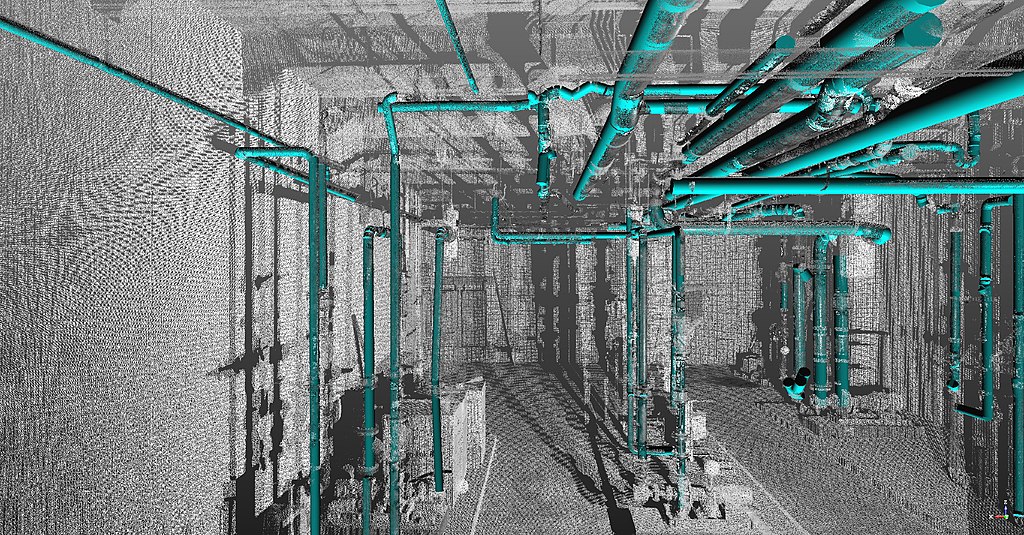
BIM software (such as Autodesk Revit or Navisworks) allows the team to federate models from different disciplines (structural, MEP, architectural). The software automatically detects where building components interfere with one another—for example, a duct running through a structural beam.
By identifying these conflicts in the 3D model before physical construction begins, teams can resolve issues digitally. This drastically reduces the number of errors and the need for rework on-site, saving both money and materials.
3. Accurate Cost Estimation and Budget Control
Cost estimation is notoriously difficult in the construction industry. BIM models provide a rich database of material quantities and specifications. This is often referred to as “5D BIM” (adding cost as the fifth dimension).
BIM allows estimators to extract precise quantities of materials (concrete, steel, glass) directly from the model. As design changes occur, the cost estimates update automatically. This leads to tighter budget control and a better understanding of the Return on Investment (ROI) for the client.
4. Enhanced Productivity and Efficiency
Productivity in construction has historically lagged behind other sectors like manufacturing. BIM technology is changing this by introducing automation and improved construction methods.
BIM enables construction managers to plan logistics and sequencing (4D BIM) more effectively. By simulating the construction process, teams can optimize the schedule, reducing construction time and ensuring that materials arrive on-site exactly when needed (Just-In-Time delivery). Efficient construction workflows result in faster project delivery and higher margins.
5. Risk and Job Safety Analysis
Safety is paramount. BIM can help significantly in improving Occupational Safety and Health. By utilizing the digital model, managers can perform a Risk and Job Safety Analysis prior to starting work.
BIM tools allow for the visualization of potential hazards on the site. For example, knowing exactly where cranes will be positioned or where excavations will occur allows for better safety planning. BIM helps teams identify high-risk scenarios and mitigate them virtually, ensuring the safety of the workforce.
6. Sustainability and Energy Performance
As the world moves toward a circular economy, sustainability is a critical KPI. BIM offers substantial benefits regarding energy conservation and environmental issues.
Through simulation and analysis tools integrated into BIM software, designers can evaluate the energy performance of a building (6D BIM). They can analyze solar orientation, airflow, and thermal performance to reduce the carbon footprint. BIM allows for Life-cycle assessment, ensuring that the built environment is environmentally responsible from construction through to operation.
Real-World Success: Examples of Our BIM Projects
At Wenture, we apply these principles to solve complex problems for manufacturers and end-users. Our implementations demonstrate how BIM technology connects seamlessly with advanced automation tools, such as the Materia CPQ (Configure, Price, Quote) suite.
Here are two examples of how we utilized BIM models to drive business value:
Digital Configurator for Toode’s Roofs
We utilized a BIM model to design a customer-facing configurator for Toode’s roofs. This tool was aimed specifically at homeowners interested in purchasing a new roof.
Wenture developed the visual aspect of this configurator using the BIM model as the foundation. Based on the customer’s input, the configurator generates a real-time 3D image of their desired purchase. This includes customizable details such as the type and color of the building and roof, as well as the rainwater system. Furthermore, the configurator automates price inquiries and calculates the exact number of panels required.
The feedback from this product configurator has been overwhelmingly positive, and its implementation has led to a measurable increase in inquiries.
Solarstone: Empowering Architects with Data
Additionally, we created a similar solution for Solarstone, a supplier of roofing materials and solar panels. However, their needs were different, as they required a digital product catalog for their architects.
To address this, we created a BIM-based plug-in that could be accessed via Revit and Archicad design software. We made a digital replica of Solarstone products for architects to assess directly within their workflows. It included critical data such as dimensions, volumes, cost-effectiveness, and appearance.
These projects highlight the versatility of BIM tools—whether used for consumer visualization or technical architectural specification—proving the immense value of BIM.
BIM throughout the Construction Lifecycle
The value of BIM extends far beyond the construction phase. It supports the whole project timeline.
- Pre-Construction: BIM enhances conceptual design, geotechnical investigation, and obtaining specification approvals. BIM helps teams visualize the natural environment and context.
- Construction: BIM models provide the roadmap for fabrication, logistics, and installation. It serves as the single source of truth for quality control.
- Post-Construction (Facility Management): This is where 7D BIM comes into play. The information from the model—warranty data, maintenance schedules, and equipment manuals—is handed over to the owner. This digital asset aids in facility management, making the life of a building more efficient to manage.
Implementing BIM: Challenges and Opportunities
While the benefits of BIM are clear, implementing BIM requires a cultural shift. Adopting BIM involves investing in software, hardware, and training.
Construction professionals must adapt to new digital tools. There is a learning curve associated with BIM tools and understanding BSI Group standards (such as ISO 19650) or specific standards in the United States and Europe.
However, the future of BIM suggests that non-adoption is a greater risk. As governments (such as the UK’s mandate driven by the Centre for Digital Built Britain) require BIM for public projects, the construction sector must adapt to remain competitive.
The Future of BIM in Construction
The future of BIM is intertwined with other emerging technologies. We are moving toward:
- Digital Twins: A dynamic digital representation that updates in real-time via sensors.
- AI and Automation: Using machine learning to optimize design changes and schedule prediction.
- AR/VR: Using visualization hardware on the construction site to overlay the BIM model onto the physical world.
Conclusion
In an era of rapid digital transformation in the construction industry, it is essential to keep up with technological advancements to stay ahead of the competition. The benefits of BIM are clear, and moving towards BIM models is undoubtedly one area that many companies will need to address in the coming years.
The use of BIM is no longer an optional upgrade; it is a fundamental shift in how we create the built environment. From architects to facility managers, BIM technology unites the project team under a banner of efficiency and transparency.
By reducing construction errors, optimizing construction time, and providing deep insights into energy and cost, BIM offers substantial advantages that traditional construction methods simply cannot match. BIM allows the industry to build smarter, safer, and greener.
Turn Your BIM Models into Business Results with Materia
Adopting BIM is just the first step. To truly succeed, you need to integrate your product data and configuration logic directly into your sales and production workflows.
Materia is the smart collaboration platform for manufacturers and distributors that connects PIM, CPQ, and B2B Partner Portal capabilities.
References
ISO 19650: Organization and digitization of information about buildings and civil engineering works.
Autodesk: The Benefits of BIM for Construction
Dodge Data & Analytics: SmartMarket Report – The Business Value of BIM